The man in the white shirt
A Man Called OveThe man in the white shirt is less an individualized character than a recurring figure of official power in Ove’s life. The image gathers together encounters in which administrators and authorities seem able to determine what happens to people while remaining unreachable as human interlocutors. Its decisive significance lies in the helplessness it brings back to Ove: he can argue, write, and act, but comes to believe that the people behind the desks speak with the authority of the state itself.
Identity and Recurring Image
The novel does not give the white-shirted figure a single biography. Instead, Ove remembers or encounters a succession of men in white shirts in positions of authority. They are associated with desks, documents, decisions, and official explanations rather than with an intimate relationship to him. The recurring description turns a varied set of officials into a recognizable presence in Ove’s experience: not necessarily the same people, but representatives of a system he feels he cannot make answer for its decisions.
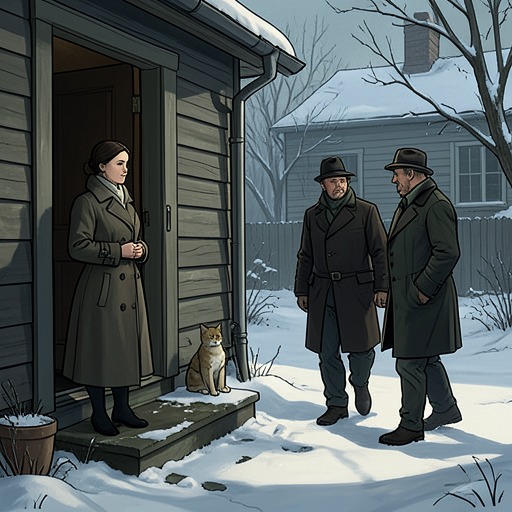
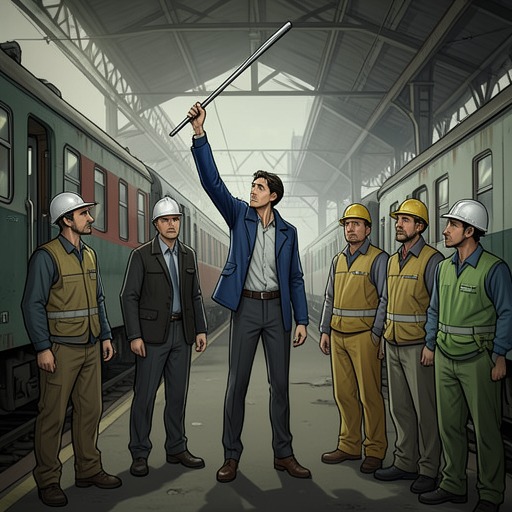
That image gains force through Ove’s sense of contrast. His father, a railway worker, taught him that size and strength were not the same thing and that violence was not how their family dealt with conflict. Ove’s own conduct reflects that inherited idea of restraint, even when he faces wrongdoing: when a director confirms that Tom took money, Ove does not answer the accusation by informing on him. The scene does not identify the director as a white-shirted man, but it establishes Ove’s private code alongside the public authority that will later seem impossible to challenge. His silence is a choice; his later helplessness before officials is something he experiences as imposed.
The Return of Powerlessness
When the white-shirted men appear again in Ove’s present, the description immediately carries a history. He recalls the humiliation and powerlessness of realizing that such men cannot be fought. Their return is connected to the period after Ove and Sonja came home from Spain following the accident. The image therefore marks not just bureaucratic contact but the reappearance of an earlier crisis, when the couple’s life had been radically altered and official decisions threatened their independence.
The officials’ force, as Ove understands it, comes from their institutional backing. They are not simply people with whom he disagrees; he believes that the state stands behind them, making resistance futile. This belief is sharpened by the contrast between his own directness and their formal authority. He can look at a person, refuse a proposal, or make his case, but the power to decide remains elsewhere. The resulting humiliation is not presented as a single defeat: the return of the image makes it feel like a condition that can recur.
Decisions About Sonja
After the accident, Ove meets numerous white-shirted men in municipal offices. They explain which forms he must complete, yet, in his view, give little attention to the measures Sonja needs to recover. Their procedural competence and their failure to engage with her practical needs stand side by side. The conflict is not simply between Ove and paperwork; it concerns whose account of Sonja’s life will guide decisions about her future.
A municipal representative also comes to the hospital and proposes that Sonja be placed in a service home. She frames the suggestion as a response to the strain of everyday life for Ove, while speaking about the arrangement in Sonja’s presence. Ove rejects the proposal and insists that their home together is where they will live. In his anger he throws one of Sonja’s shoes from the room. The gesture registers the force of his refusal, while the episode makes the officials’ power concrete: their recommendation reaches into the couple’s most personal question, whether they can continue their life together at home.
Ove answers that threat through practical work as well as confrontation. He rebuilds the house for Sonja, lowering the counter, finding a specially made stove, altering the doorframes, and fitting ramps over the thresholds. When a ramp is refused at the stairs of the school where Sonja works, he turns to months of letters and complaints, writes to newspapers, and tries to sue the council. The failed campaign extends his conflict with official authority beyond the hospital: the issue is also whether the built environment will accommodate Sonja’s mobility. In his view, the white shirts eventually decide that the fight is over, not because the need has disappeared, but because the authorities have stopped the process.
Narrative and Thematic Significance
The white shirt functions as a motif of authority that is both ordinary and formidable. Its bearers explain rules and procedures, but Ove experiences their collective power as a barrier between personal need and public decision. His repeated efforts—to reject institutional placement, adapt the house, and press for a ramp—show that he is not merely resigned. He acts wherever he can; what humiliates him is the limit imposed on those actions by people he believes cannot be held responsible.
The motif also clarifies the difference between forms of strength. Ove’s father’s lesson distinguishes strength from mere size, while Ove’s conflict with officialdom exposes a power that does not depend on physical force. A desk, a decision, or a refusal can stop him more effectively than a fight. Elsewhere, Ove does confront an individual who honks at Parvaneh while she is learning to drive, but that immediate act of intervention does not erase his belief that institutional power is harder to oppose. The white-shirted figure gives that distinction a recurring shape: personal resolve can protect someone in a moment, yet leave the larger machinery untouched.
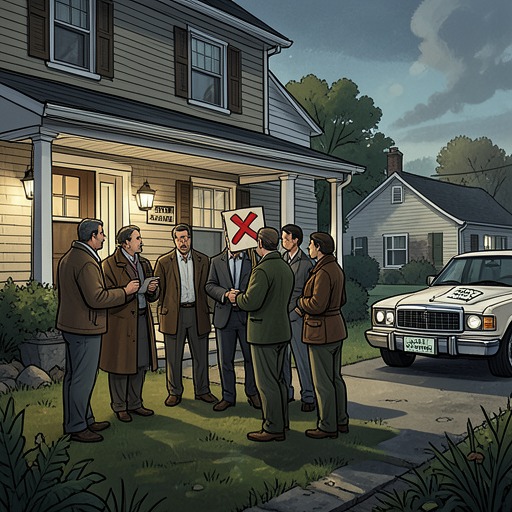
The image’s return near Anita and Rune’s house reconnects the present to Ove’s earlier sense of defeat. Rather than presenting the officials as a single villain, the novel makes the recurring figure stand for the persistence of a conflict between lived needs and administrative authority. Ove’s anger, his letters, and the accessible home he makes for Sonja all belong to the same struggle: he tries to defend a shared life against decisions that reduce it to a case to be managed.